
No one wants to be a burden to their loved ones, so if there’s a way to be more independent for individuals with disabilities, for sure, they would do whatever it takes to grab that service, to have a more self-directed daily life. Supported Independent Living or SIL in the NDIS industry provides the opportunity for NDIS participants to boost confidence, learn new skills, and lead a life on their own. But how do you know it’s the right service for you?
Here’s a guide to understanding what SIL means, who it’s exactly for, and how you can decide if it’s the best fit for you in supporting your needs and achieving your personal goals.
What is Supported Independent Living?
Supported Independent Living (SIL) is assistance or support for individuals with disability to enable them to live more independently, sharing a home or alone. It’s one of the major supports supported under the NDIS and is generally for those who require an increased daily level of support.
SIL is not about where you live; it’s about the support you receive while you do. You may live with others or live alone but still have regular help from qualified support workers to help you with your daily needs.
Here’s how SIL can support you in handling the day-to-day Important:
- organising your meals and cooking routines,
- keeping up with personal care,
- maintaining a clean and orderly home,
- managing your medication schedule, and
- ensuring you never miss an appointment.
Plus, it helps you sharpen both your social and practical life skills, so you’re not just keeping up, you’re getting ahead.
Who is SIL Designed For?
SIL is designed for individuals who require consistent, often 24/7, support at home. It’s particularly suitable for those aiming to develop independent living skills over time and who already have SIL approved within their NDIS plan.
This support model works well for people comfortable with shared accommodation or a supported living environment and for those who need ongoing assistance with personal care, daily routines, or managing complex needs.
It’s important to emphasise that SIL is generally intended for individuals with higher support needs. If your requirements are more occasional, alternative NDIS supports such as Individualised Living Options (ILO) or Drop-in Support may be more appropriate.
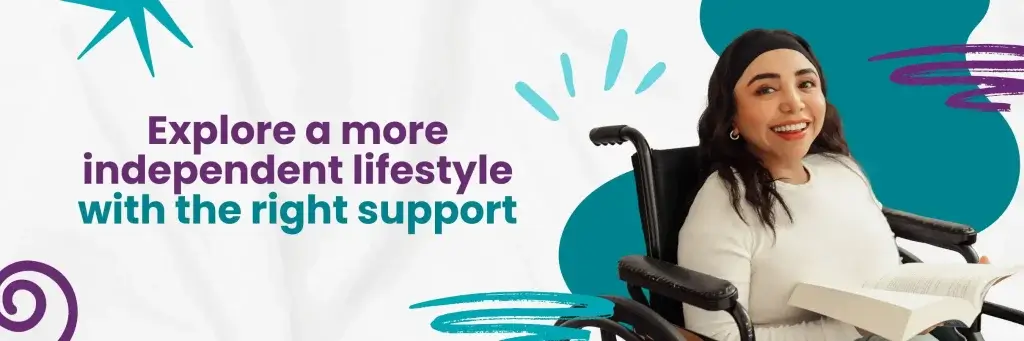
The Advantages of Supported Independent Living
There’s a good reason why SIL has been a support favorite right around Australia. When it’s designed to meet your lifestyle and requirements, it can unlock a world of opportunities. Some of the most significant advantages are:
1. Independence With Safety
SIL offers the perfect balance of independence and structured guidance. You have the freedom to make decisions regarding your life, from day-to-day routines to lifelong dreams, with the knowledge that there is someone to help if required.
2. Personal Growth and Self-Assurance
You are forced to create your own skills in cooking, cleaning, budgeting, and so forth, living in a SIL environment. As the years pass, these small victories mount, making you increasingly confident and capable.
3. Community and Belonging
In shared SIL accommodation, several participants appreciate the presence of housemates who share their experience. It may lead to new friendships, common experiences, and feelings of connection.
4. Personalised Daily Support
SIL is not generic. Your support package will be built to your daily routines, likes, goals, and cultural requirements. You might require mobility, medication, or meal preparation support, but it is specific to you.
5. Support with a Routine Structure
Maintaining a stable support network helps to offer a predictable, structured home environment. This is especially helpful for those who reside with mental illnesses, autism, or cognitive disabilities.
Things to Keep in Mind Before You Decide on SIL
Supported Independent Living might be revolutionary, but it’s not for everyone. Here are a few things to ask yourself (or your NDIS planner) before deciding:
- Am I going to need assistance with daily living activities most of the time?
- Would I like to live with others or by myself?
- Am I at ease with having support workers in my house?
- What level of independence am I prepared for?
- Do I have clear objectives that SIL can assist me in achieving?
It’s also good to have an open chat with your Local Area Coordinator (LAC) or support coordinator to check out all your possibilities. A test stays or visit to a potential house might help you better see what SIL would be like in reality.
SIL and Your NDIS Plan
To gain access to Supported Independent Living under the NDIS, you’ll need to show that you need this amount of support and that it supports your goals. This would usually include:
- A Functional Capacity Assessment or report by your allied health professional.
- A clear description of your everyday support needs.
- Evidence that SIL will lead to enhanced independence and quality of life.
Once your SIL funding is approved, it will be listed under the Core Supports component of your NDIS plan, and it will typically be provided by a registered NDIS provider with expertise in complex support needs.
Conclusion
The concept of supported independent living is simple, you should live with dignity, choice, and control. For too many Australians with disabilities, SIL provides a supportive and enabling route to more independent living.
Whether coming from a family home, hospital, or other form of care, SIL can assist you in creating a lifestyle that suits your personality and aspirations.
At Dreams Alive Care, we recognise independence must be embraced and preserved, not avoided. Our staff collaborates with participants, families, and support coordinators to create living situations that respect, welcome, and truly empower. If supported independent living is something you’re thinking about and want to learn more about, we can assist you in taking that next step with confidence.